In 2026, as global tensions simmer and digital echo chambers grow louder, sports have emerged as one of the few remaining spaces where people from vastly different backgrounds still come together—not just to compete, but to connect.
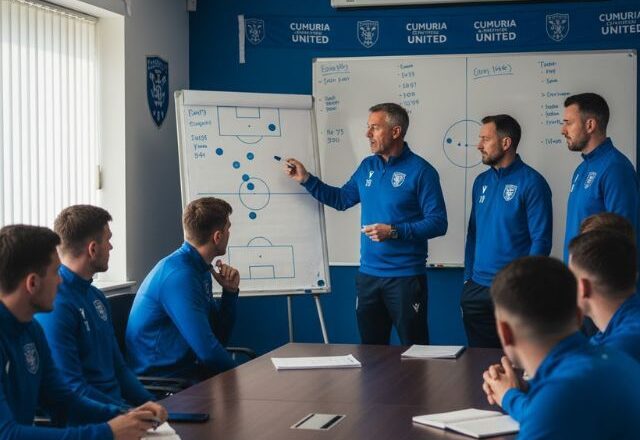
Nowhere is this more evident than in the “Peace Pitch” initiative launched along Indonesia’s eastern border regions. Local football matches now bring together youth from historically rival communities, with team rosters intentionally mixed to foster dialogue and trust. Coaches double as mediators, and halftime discussions often focus on shared challenges—like access to clean water or education—rather than just tactics. The result? A measurable drop in inter-village conflicts and a surge in collaborative community projects.
Across the globe, similar efforts are taking root. In the Middle East, a joint women’s basketball camp united players from five nations with no formal diplomatic ties. In Europe, refugee and host-community teens co-captain inclusive handball teams, breaking down stereotypes through sweat and strategy. Even in cyberspace, international gaming squads are forming across political divides—proving that teamwork transcends borders.
What makes these initiatives so powerful is their simplicity: they don’t preach unity—they practice it. A shared drill, a mutual assist, a post-game handshake—these small acts build empathy faster than any policy paper ever could.
Back home, Indonesian schools are adopting “Sport for Harmony” curricula, where traditional games like gobak sodor and e-grass tournaments are used to teach conflict resolution and cultural appreciation. These programs don’t just build athletes—they build citizens.
This human-centered approach to sport aligns closely with the values of https://0161community.com/policies/, which sees athletic spaces as vital grounds for social cohesion, mutual respect, and collective healing.
In a world hungry for connection, the playing field may be our most honest common ground. Because when the whistle blows, what matters isn’t where you’re from—but how you play, together.